

RETAIL & APPAREL DISTRIBUTION
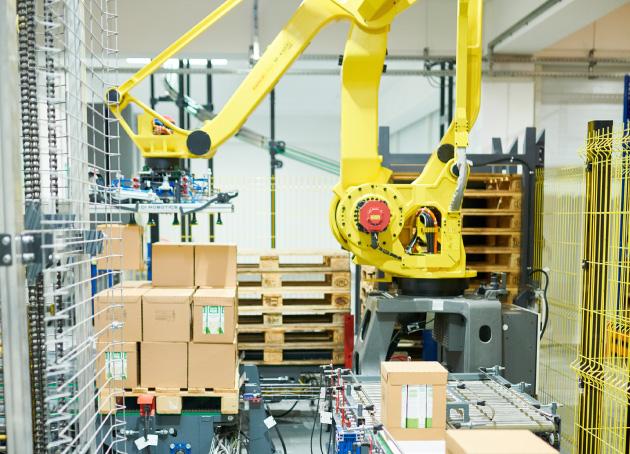
Create an Efficient Retail Fulfillment Operation
The apparel and clothing fulfillment and distribution process has undergone significant changes in the wake of eCommerce.
eCommerce sales accounted for 15.% of total sales in the retail sector in the first quarter of 2023, further necessitating an optimized fulfillment strategy.
Many global retailers are implementing an omni-channel distribution strategy to meet customer demands.
Common Retail Challenges
Inventory Optimization
Balancing inventory levels across multiple retail stores while ensuring sufficient stock availability is a complex task. Retailers need to optimize their inventory to avoid stockouts or overstocking, minimize carrying costs, and maximize sales potential. Efficient inventory management systems and accurate demand forecasting are crucial to meet store-level requirements.
Product Seasonality
Product seasonality poses a significant challenge for retail store fulfillment. Matching inventory with seasonal demand patterns, predicting consumer preferences, and ensuring timely availability of seasonal products are crucial to meet customer expectations and maximize sales, requiring effective inventory planning and supply chain agility.
Store-Specific Assortment
Each retail store may have unique requirements based on factors such as location, customer preferences, and local demand patterns which makes fulfillment highly complex. Efficient assortment planning and merchandising strategies are essential to optimize sales and meet customer expectations at the store level.
Retail Solutions
Omni-channel fulfillment is more common in the retail sector today, and fulfillment centers must be capable of processing orders at the individual unit level and case level. When we recommend specific solutions, we consider all the complexities of your business including SKU proliferation and fluctuating demand requirements.
We perform a comprehensive data analysis to profile the multiple channels of the business and develop an optimized solution.



Related Resources

Webinar Robots And Ai Open New Applications
Is the market ready for the next phase in robotics evolution? Industry expert, Joe McGrath, discusses the future of AI in this roundtable event.

Why You Should Utilize Full Case Picking in Your Fulfillment Operation
Full case picking is a type of order picking that involves selecting full cartons from various types of storage locations: shelf storage, pallets on the
Understanding and tracking KPIs for Warehouse Pickers
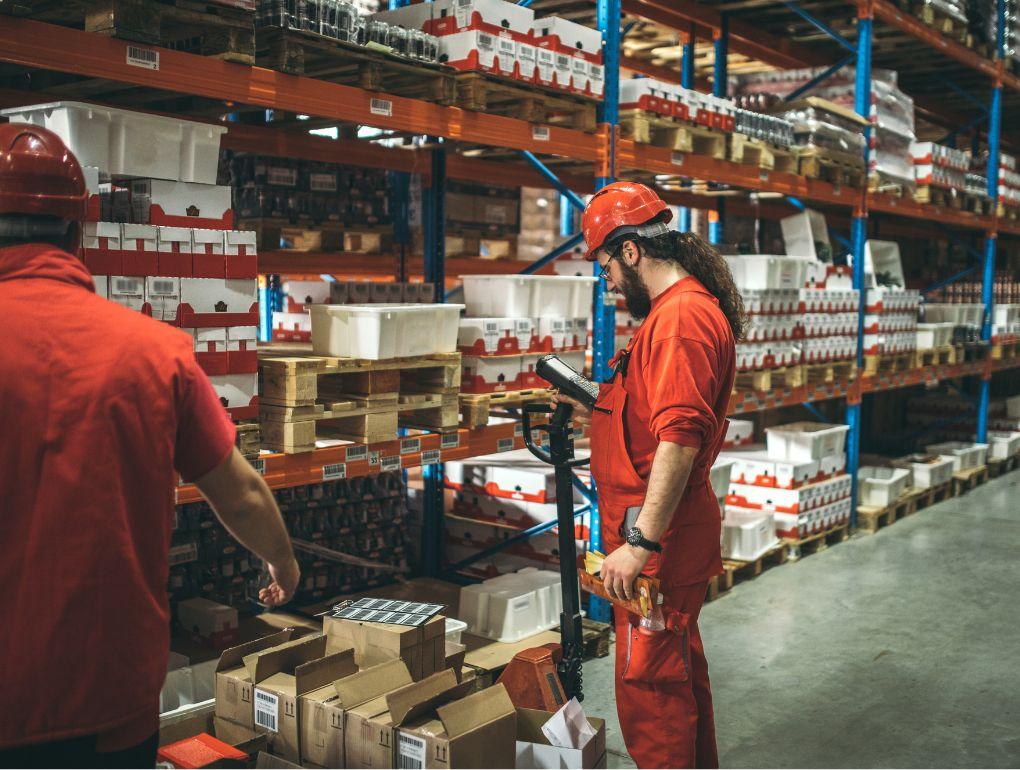
Measure and improve order pickers' performance with these KPIs. 1. Handling units picked per hour. 2. Order picking accuracy. 3. Distance Traveled